As energy prices surge and the cost of living crisis squeezes everyone’s disposable income, people are looking for ways to cut their energy costs.
There are a number of things you can do to help reduce your energy consumption, such as limit your shower time, cut back on the baths, and layer up rather than put the heating on. But in this blog, we will run through some simple and practical DIY ideas to help make your home more energy-efficient. By implementing these easy changes, you’ll not only save on your energy bills, but you’ll be helping out the environment too! Let’s take a look at what you can do:
Seal any gaps
Sealing your home’s gaps and cracks is one of the simplest and most economical ways to improve energy efficiency. Check your window and door frames for any cracks and seal them up with some caulk. You can also apply caulk to seal gaps around pipes, vents, and electrical outlets. This keeps your house cooler in the summer and helps keep warm air from escaping throughout the winter.
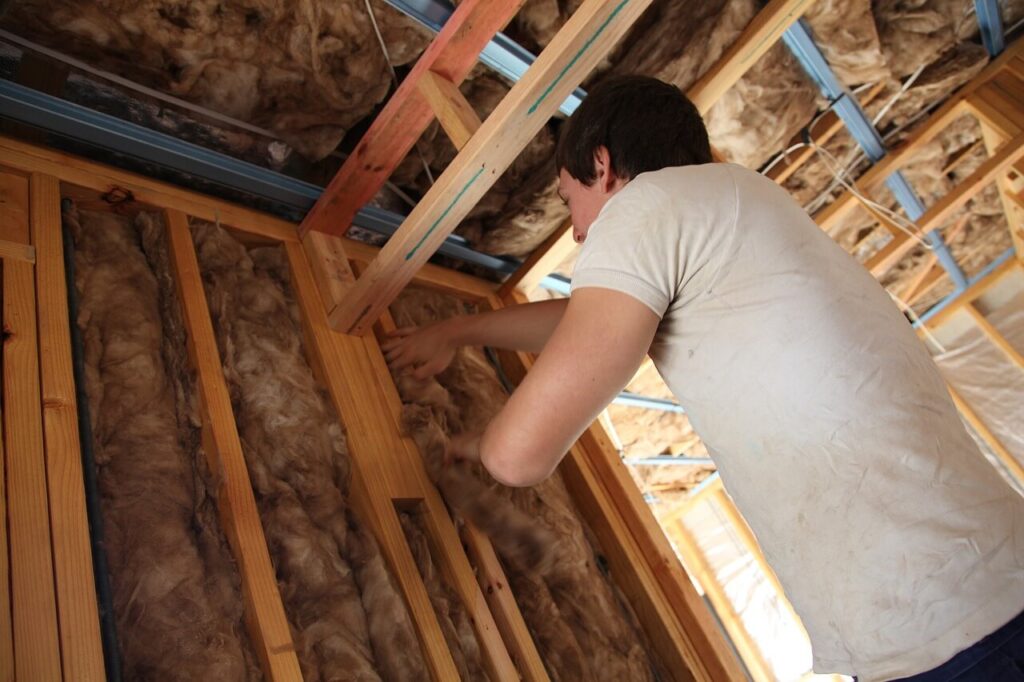
Insulate your loft
According to the Energy Saving Trust, uninsulated homes lose 25% of heat through the roof. So installing good-quality loft insulation is a must to help you save energy. For do-it-yourself projects, mineral wool or fibreglass insulation are excellent choices. Good loft insulation can last around 40 years and for a detached home, you could save around £590 a year on your energy bills.
Insulate hot water pipes
Insulating hot water pipes is a simple DIY task that can significantly reduce heat loss. This ensures that hot water reaches your taps more efficiently, saving energy and water. You can use pre-slit pipe foam or fibreglass pipe wrap for this easy DIY project. If you have a hot water tank you could also install a hot water heater sleeve to help with water efficiency.
Replace your lightbulbs
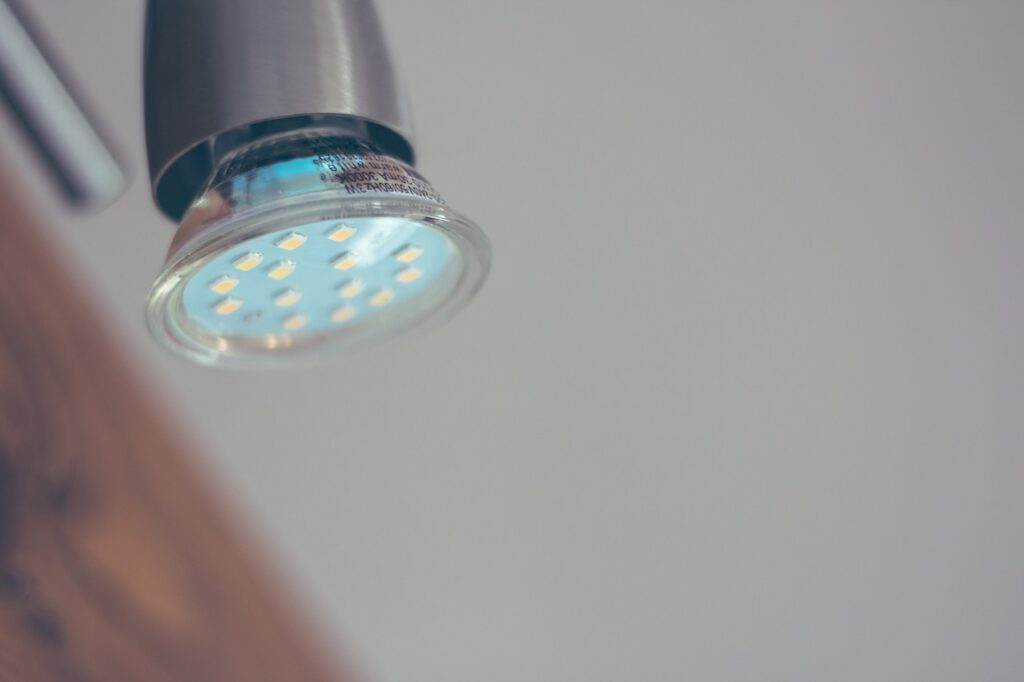
Energy-efficient LED bulbs use 90% less energy than conventional halogen bulbs and they last much longer. You can also get different styles of LED bulbs to suit your home decor!
Install reflective radiator panels
Reflective radiator panels placed behind radiators can direct heat back into the room instead of being absorbed by the wall. This helps rooms heat up faster and reduces the need for additional heating.
Install new door and window seals
We’ve mentioned caulking any gaps in your window and door frames to stop air leaks, but you can use draught excluders and weatherstrips around your windows and doors to help keep the draught out. If you have large gaps at the bottom of your doors you can also install draught excluders.
Install thermal curtains
We’ve saved this one till last as it’s not exactly a DIY task. But installing thermal curtains is a really easy and cost-effective way to regulate heat in the home. If you have large French doors or windows in the home, these are a great way to help keep the warmth in to improve your home’s energy efficiency.
Conclusion
If you manage to do all these energy saving suggestions or just a couple, you’ll be on your way to making a more energy-efficient home – saving you money and helping to reduce your carbon footprint. You can carry out these DIY tasks over a period of time to help spread the initial cost of the tasks, but once they are all done, your bank and the environment will be thankful for it!
Construct FM
As part of our facilities management service, we provide expert solutions to help make buildings more energy efficient. If you would like a professional to help you make your home or commercial space more energy efficient, contact the team today and we can help!


