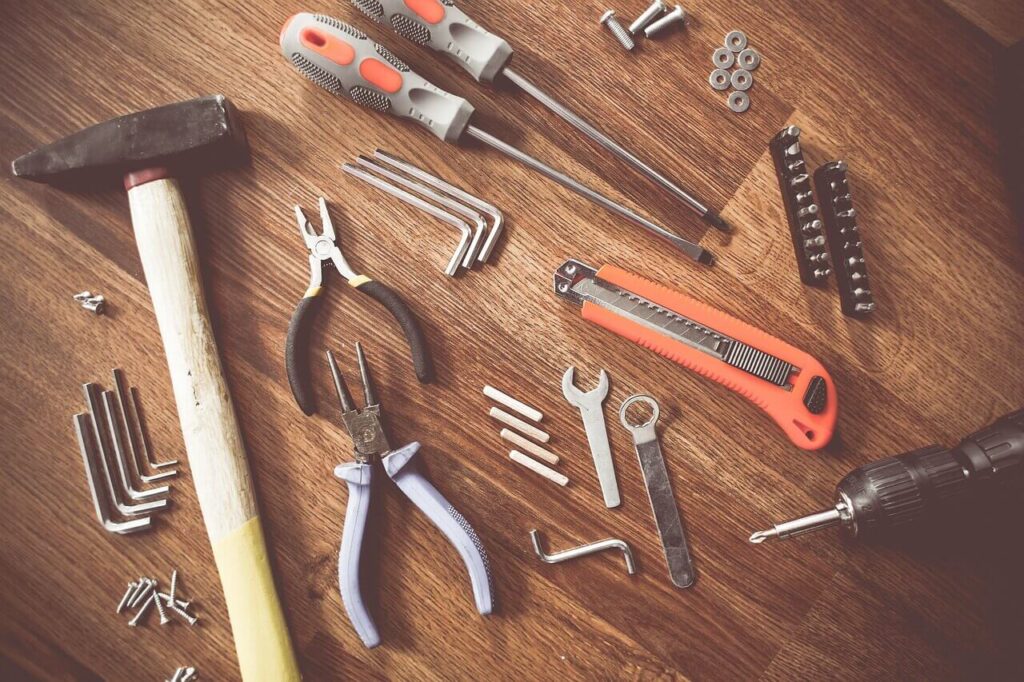
DIY enthusiasts are a resourceful bunch, always looking for ways to improve their homes, create unique gifts, or tackle fun projects. Whatever your level of DIY experience or whatever your DIY project is, having the right tools is essential to ensuring your projects are successful and enjoyable.
This blog post will explore budget-friendly options for your home tool kit as well as more advanced tools that can be used for DIY projects. We’ll also provide you with some handy tips on maintaining your tools so they can be used repeatedly.
Budget-friendly DIY tools
Let’s start with some basic, budget-friendly DIY tools every toolbox should have. These essentials can be used for all sorts of DIY jobs from woodwork to basic plumbing.
Tape Measure
Having a measuring tape in your toolbox is an absolute must. These are vital for measuring wood, pipework, plastic, you name it, it can measure it! It’s also a handy piece of kit for day-to-day usage as well. Looking to buy a new piece of furniture? Get the tape measure out and make sure you have the space for it!
How to maintain your tape measure
- Retract it slowly to avoid injury
- Keep it clean and free of debris
Claw Hammer
Another staple in the toolbox arsenal. The hammer is a vital DIY tool to have and is used for most jobs. Make sure you get a claw hammer though as this hammer has the ‘claw’ end which is used for removing nails.
How to maintain your claw hammer
- Clean your hammer and keep it rust-free
- Tighten up the head when needed to stop it from wobbling

Screwdriver set
A screwdriver is perhaps one of the most used tools in the tool kit, they are not only used for DIY, they are used for a whole host of small jobs around the house. Get yourself a proper screwdriver set that includes a range of screw tips so you are set up for success.
How to maintain your screwdriver set
- Keep your set in a dry place to avoid rust
Spirit level
Spirit levels are handy for all sorts of things, not just for DIY projects. If you are hanging pictures, for example, a spirit level is a must-have to ensure your picture frames are nice and straight.
How to maintain your spirit level:
- Look after your spirit level when in use and try not to drop it
- Clean it after use and check for accuracy periodically
Pliers
Pliers are one of the most common hand tools for projects that require gripping, twisting, pulling, or shearing. If you need to install and shape wire, tighten bolts, or remove nails, pliers will quickly become one of your favourite DIY tools.
How to maintain your pliers:
- Clean them after use to remove grime
- Oil the hinge to prevent stiffness
An adjustable wrench
The adjustable wrench features a jaw that can be adjusted to tighten or loosen nuts and bolts of various sizes. No matter what you’re doing, whether you’re tightening a tap or assembling furniture, keeping one handy is always a good idea.
How to maintain your wrench
- Keep the adjuster lubricated so it’s easy to use
- Store in a dry place and clean after you use

Retractable knife
You’ll find yourself needing a retractable utility knife countless times in your DIY journey. Adjustable knives are perfect for cutting everything from carpet to plasterboard. They are also handy for removing old grout and stripping wires.
How to maintain your utility Knife:
- Replace blades regularly for sharp cuts.
- Keep the blade retracted when not in use to prevent accidents and to ensure it doesn’t snap.
Hacksaw
Hacksaws can be used for most projects and are suitable for cutting a variety of materials, including thin wood, metal and plastic. They are also handy for cutting details in wood or plastic.
How to maintain your hacksaw
- Clean the blade after use and dry it thoroughly
- Replace the blade when it starts to blunt
Nails, screws, nuts and bolts
Having a range of nails, screws, nuts and bolts is really handy to have in your tool kit so whatever project you’re working on, you’ll probably have the right nails and screws for it. If you can, try and keep them separate so your toolbox is nice and organised… easier said than done, we know!
Advanced DIY tools you need
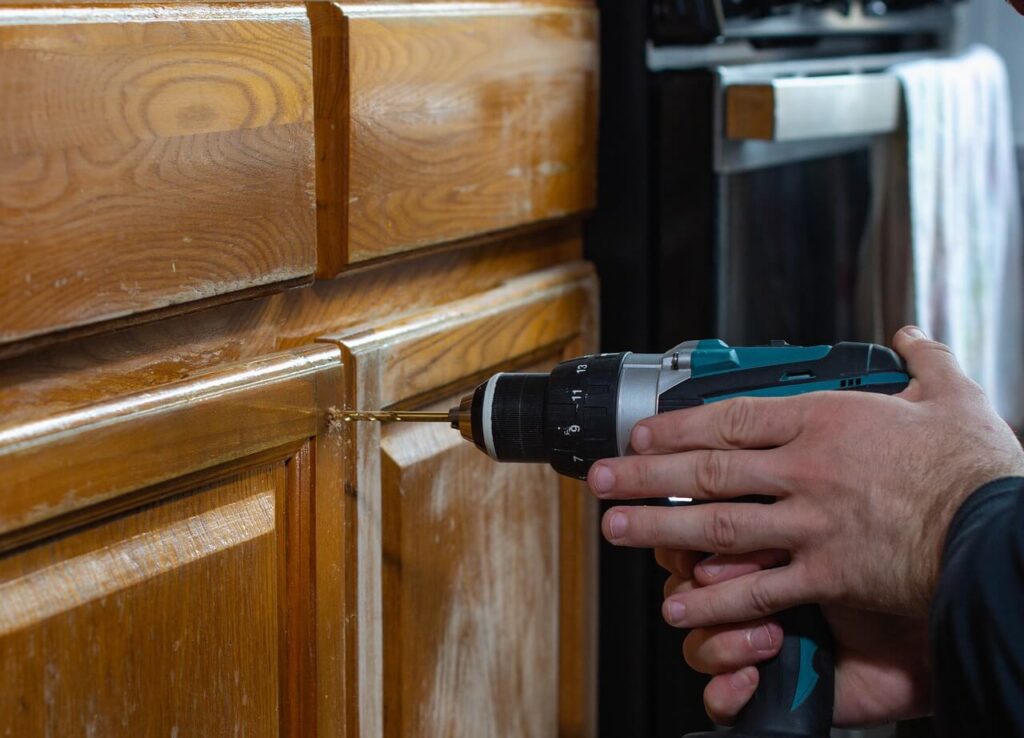
We’ve covered the basic DIY tools, now let’s take a look at some more advanced tools which you should consider adding to your toolbox so you are set up for all sorts of DIY projects.
A Stud Finder
If you live in a more modern home, chances are most of your interior walls are made with plasterboard. If you want to hang something up or install a shelf, it’s important to find a stud in the wall which you can drill into. A stud finder is a really handy piece of kit to use to easily find these studs so you can get drilling!
Wire Cutters
We’re putting wire cutters in the more advanced category as most amateur DIYers might not want to touch wires or anything electrical, and we don’t blame them! But having a set of wire cutters is an essential tool for the more experienced DIY enthusiast.
Power Drill
When it comes to power tools, the power drill is the main one you want. This power tool can help with most tasks including putting up shelves to assembling flat-pack furniture, so make sure one of these is in your tool kit.
How to maintain your power drill
- Before putting it away, allow it to fully cool
- Lubricate and clean regularly

Electric Sander
You can use regular sandpaper for small woodwork or decorating jobs, but for more involved jobs, an electric sander will be your go-to tool. It can make light work of large sanding jobs such as large surfaces or tricky areas such as wooden bannisters.
How to maintain your electric sander
- Blow out loose dirt and sand after each use to mitigate build-up
- Tighten up loose screws when needed
Safety Equipment
There’s a range of safety gear you should have in your toolbox to ensure whatever project you are doing, you are well protected. Safety gear includes:
- Googles
- Gloves
- Masks
- Safety boots
- Ear protectors
- Protective clothing
Conclusion
Using the right tools and a little creativity, DIY enthusiasts can take on a variety of projects, from simple home repairs to complex woodworking tasks. You can embark on a rewarding DIY journey by gaining a thorough understanding of the essential tools needed and how to maintain them properly. You can express your creativity and improve your living space with DIY projects regardless of your budget or investment level. Now that you have your tools, you can start crafting!
Construct FM
We hope this handy guide to essential DIY tools was helpful. Construct FM are a Hampshire-based building contractor specialising in all things construction. If you would like to discuss a more involved project, such as building a new home or building a home extension, the professional team at Construct FM can help. Get in touch today and let’s discuss your project.


